Ecosystem Change

Across different ecosystems, climate change is having common effects; there is evidence of shifts in both geographical distributions, species community compositions and the timing of life-cycle events. However, disentangling the effects of climate change from natural variability is complex and requires long-term datasets, especially for remote and inaccessible areas, such as the deep sea. 

Human activities can have an impact on the ability of marine and coastal ecosystems to respond naturally to stressors associated with climate change, such as increasing sea temperature, ocean acidification and oxygen depletion. The resilience of marine and coastal habitats to climate change could be improved by reducing other pressures from human activities. 

Evidence of altered community composition has already been observed in the North Sea, and among some intertidal / shallow subtidal habitats. These changes are likely to affect the function, goods and services provided by the ecosystem.
 

Wider impact hubs can be accessed via:
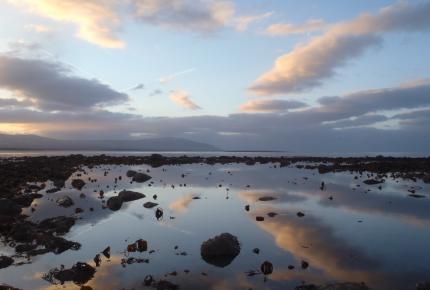
The high natural diversity and variability of coastal, intertidal and shallow nearshore habitats, and the cumulative impacts of other human activities, makes it challenging to attribute specific responses to climate change. However, there is clear evidence that storminess, changing weather patterns, and sea-level rise are accelerating erosion and driving ecological shifts, and that climate change may also be facilitating the spread of non-native species on UK rocky shores.
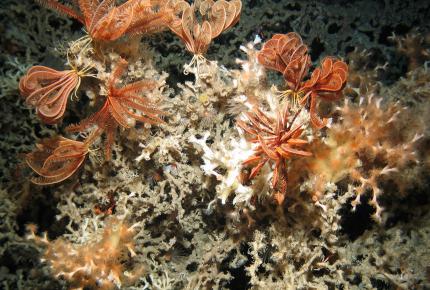
Modelling suggests that there will be significant shifts in range, distribution and abundance of kelp and cold-water corals across the UK, as well as seabed species in the North Sea. Ocean acidification may cause corrosion of cold-water corals and maerl beds.
Under a high-emissions scenario, models predict a substantial decrease in seafloor habitat suitability. For cold-water corals in the North Atlantic, around 85% of existing features are predicted to be exposed to increasingly acidic waters by 2060.
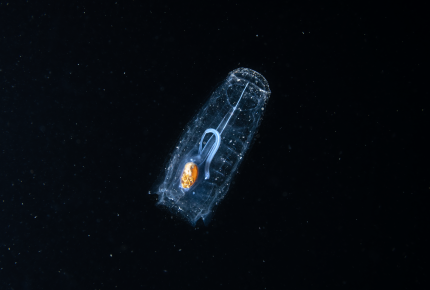
Future warming is likely to continue to shift primary and secondary plankton production northwards. This may negatively affect ecosystem services such as oxygen production and ocean carbon storage in the coming decades.
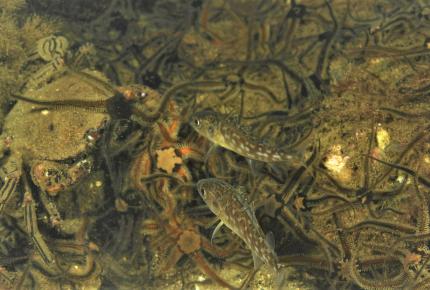
There have been substantial changes in fish communities in UK waters, with more warm-water species and local declines of some cold-water species. Warming and associated oxygen solubility appears to be affecting growth rates, and the maximum size of fish.
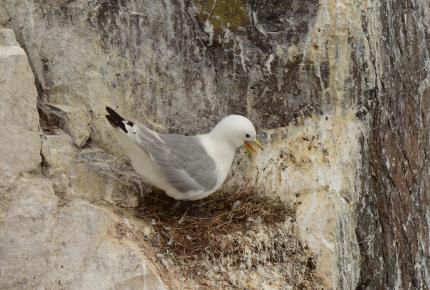
UK and Ireland seabird and waterbird indices show declines since the 1990s, partly due to climate change effects across species’ annual cycles and ranges. Many populations are near their range limit or are sensitive to changes in prey availability.
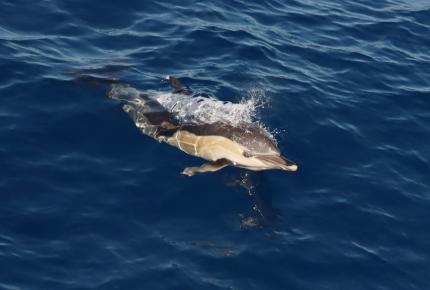
The main effects of climate change on marine mammals are range shifts, loss of habitat, food-web changes, and increased exposure to disease.